

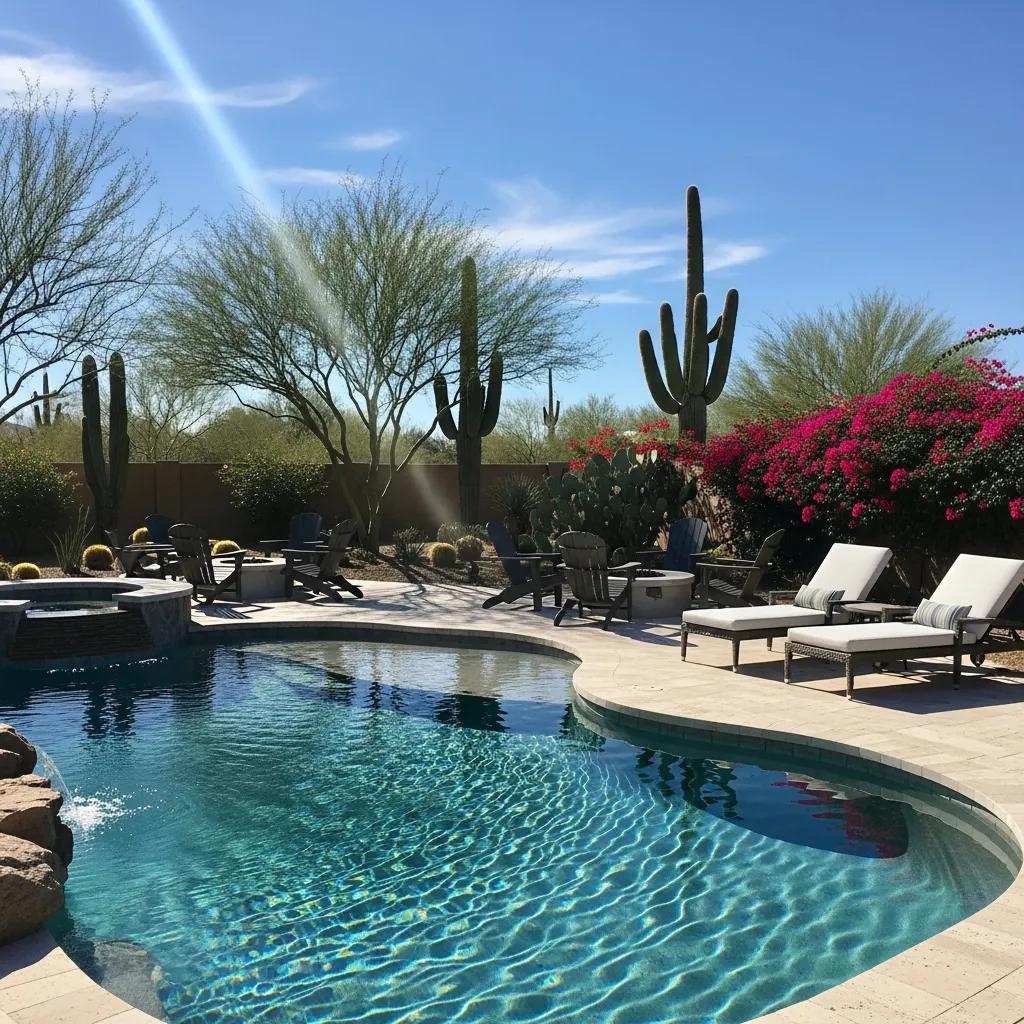
Pool Remodeling in Arizona: When to Renovate and What to Expect
In Arizona, pool remodeling isn’t just about aesthetics, it’s often necessary due to intense UV exposure, hard water buildup, and year round usage. Over time, these conditions can accelerate surface wear, damage tile, and reduce overall efficiency. This article will guide you through the signs that indicate it’s time to renovate your pool, the remodeling process, material options, and the associated costs. Understanding these aspects can help you make informed decisions about your pool’s future, ensuring it remains a beautiful and enjoyable part of your outdoor space. We will also touch on how Holiday Custom Pools and Spas can assist you in this journey, providing expert insights and services tailored to your needs.
When to Renovate Your Pool
Recognizing when to renovate your pool is crucial for maintaining its value and usability. Most homeowners wait too long to address issues, which can lead to minor cracks quickly becoming serious structural problems. In Arizona, the harsh climate accelerates wear, and calcium line buildup. A common issue due to hard water and can cause unsightly stains and damage if not treated promptly.
Common signs indicating the need for renovation include visible wear and tear, such as cracks in the surface, fading tiles, or outdated features. It’s important to note that typical plaster finishes generally last about 7 to 10 years before resurfacing is needed, while pebble finishes tend to have a longer lifespan, making them a durable choice for Arizona’s conditions.
Renovating your pool not only enhances its appearance but also improves safety and efficiency, ultimately providing a better experience for you and your family.
- Visible Damage: Cracks, chips, or discoloration can indicate structural issues that need addressing.
- Outdated Features: If your pool lacks modern amenities, it may be time to consider upgrades.
- Increased Maintenance: Frequent repairs or high maintenance costs can signal the need for a remodel.
Addressing these issues promptly can prevent more extensive damage and costly repairs down the line.
Remodeling Process Explained
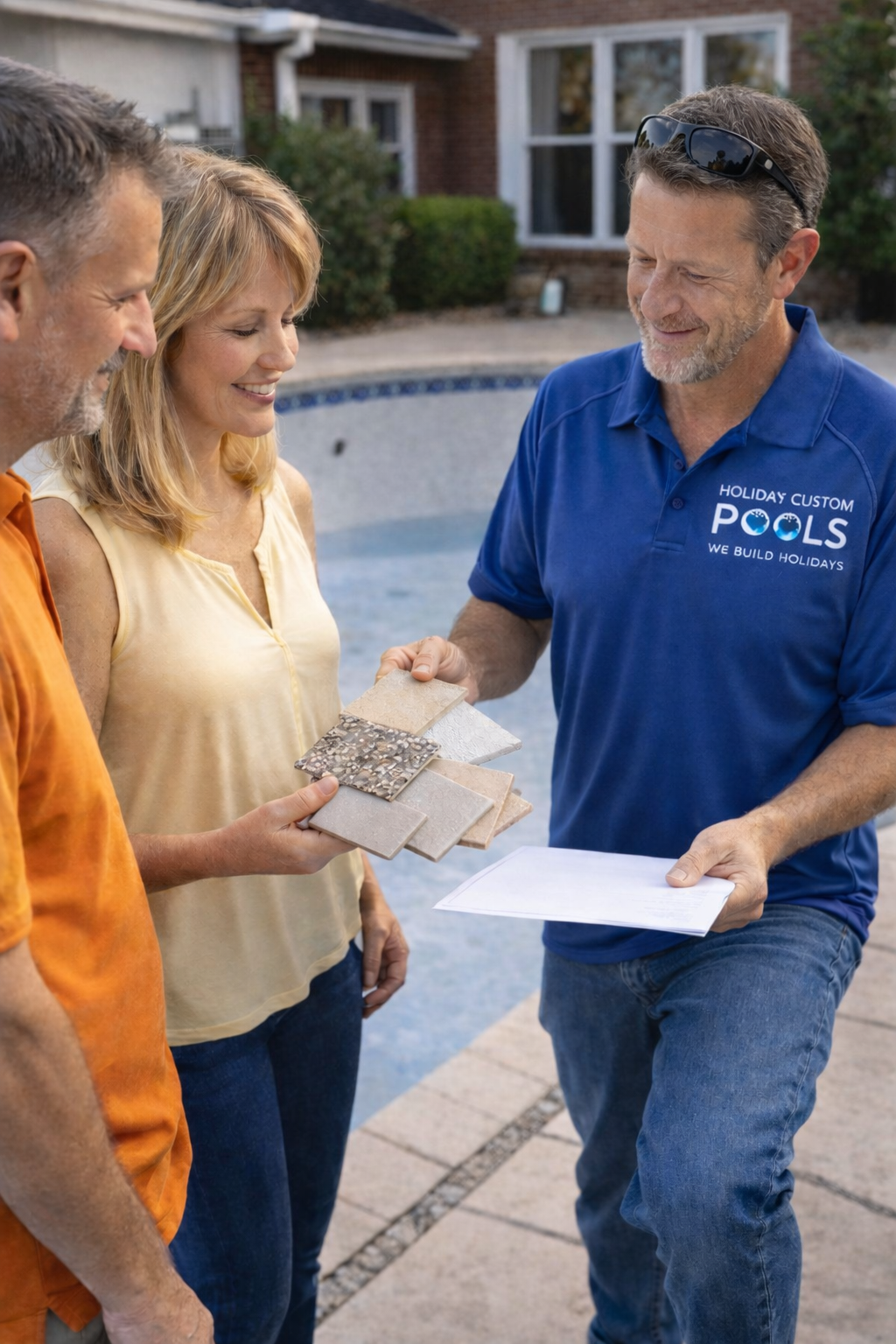
The remodeling process involves several key steps to ensure a successful transformation of your pool. Initially, a thorough assessment is conducted to identify the specific needs and goals of the renovation. This is followed by a design consultation, where homeowners can explore various options and features that align with their vision. The construction phase then begins, which includes the actual renovation work, such as resurfacing, tiling, and installing new features.
Initial Assessment Steps
During the initial assessment, professionals evaluate the current condition of the pool, identifying any structural issues or areas that require improvement. This step is crucial for developing a comprehensive renovation plan tailored to the homeowner’s needs.
Design Consultation Importance
The design consultation allows homeowners to discuss their preferences and explore various design options. This collaborative approach ensures that the final outcome aligns with the homeowner’s vision while incorporating modern trends and technologies.
Construction Phases
The construction phase involves executing the renovation plan, which may include resurfacing the pool, updating tiles, and adding new features such as water features or lighting. This phase is where the transformation truly takes shape, and homeowners can begin to see their vision come to life.
Most remodels take between 4 to 8 weeks depending on the scope of work involved. Larger projects with extensive structural changes or custom features may require additional time.
It is important to note that permits may be required depending on the nature of the structural changes planned. In many Arizona cities, obtaining the proper permits is a necessary step before construction can begin, ensuring compliance with local building codes and safety regulations.
During the remodeling process, the pool will be unusable. Homeowners should plan for this downtime, which can last the entire duration of construction, to avoid inconvenience and ensure safety.
What to Expect During Your Pool Remodel
Understanding the realities of the remodeling process can help set proper expectations and reduce stress. Here are some important factors to consider:
- Noise: Construction work can be noisy, with equipment and tools operating during the day. This is normal but can be disruptive, so planning around these times is advisable.
- Dust: Remodeling often generates dust and debris, which can affect nearby outdoor areas. Protective measures are usually taken, but some dust is inevitable.
- Timeline Delays: While most projects aim to finish within the estimated 4 to 8 weeks, unforeseen issues such as weather, material availability, or unexpected repairs can extend the timeline.
- Unexpected Repairs: During the renovation, hidden problems like structural damage or plumbing issues may be discovered, requiring additional work and potentially increasing costs and duration.
Being prepared for these realities helps homeowners manage the process smoothly and maintain realistic expectations for the outcome and timeline.
Material and Feature Options
When it comes to pool remodeling, the choice of materials and features plays a significant role in the overall aesthetic and functionality. Homeowners can choose from various options, including plaster, pebble, and tile finishes, each offering unique benefits and visual appeal.
This table highlights the differences between common materials used in pool remodeling, helping homeowners make informed decisions based on their preferences and lifestyle.
Cost and Financing
Understanding the costs associated with pool remodeling is essential for budgeting effectively. Average costs can vary significantly based on the scope of the project, materials chosen, and additional features. Homeowners should also consider financing options available to them, which can help spread the cost over time.
- Resurfacing: Approximately $5,000 to $10,000 or more, depending on pool size and materials.
- Full Remodel: Typically ranges from $15,000 to $50,000+, influenced by the extent of work and added features.
- Costs Vary: Prices depend on pool size, materials, and any additional features or customizations.
- Financing Options: Many companies offer financing plans to help homeowners manage the costs of remodeling.
- Long Term Value: Investing in a remodel can enhance the pool’s value and reduce future maintenance costs.
For those considering a remodel, Holiday Custom Pools and Spas provides consultations and quotes to help you understand the financial aspects of your project.
Outdoor Living Enhancements
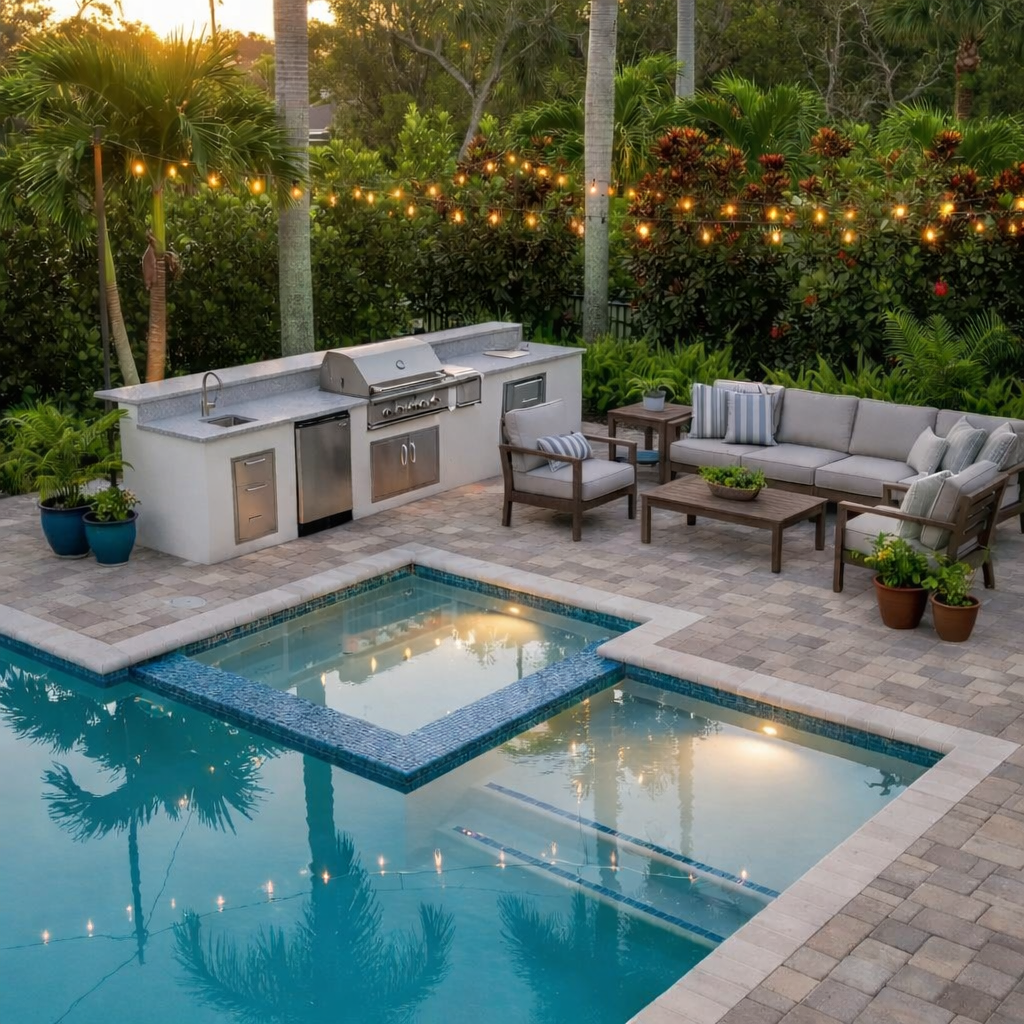
Enhancing outdoor living spaces is a popular trend among homeowners looking to maximize their enjoyment of their backyards. In Arizona, where the climate allows for year round outdoor use, designing these spaces with heat conscious features is essential. Integrating pools with outdoor elements such as patios, kitchens, and landscaping can create a cohesive and inviting environment that suits the Arizona lifestyle.
- Integration of Pools with Outdoor Features: Seamless transitions between the pool and outdoor living areas enhance usability and aesthetics.
- Benefits of Outdoor Living Spaces: Expanding your outdoor area can increase property value and provide additional entertainment options.
- Design Ideas for Enhancements: Consider features like outdoor kitchens, fire pits, and comfortable seating areas to create a welcoming atmosphere.
- Heat Conscious Design: Incorporate shade structures such as pergolas or retractable awnings and use cool decking materials to keep surfaces comfortable underfoot during Arizona’s intense sun.
- Year Round Use: Design spaces that accommodate outdoor living throughout all seasons, with options for cooling and shading to ensure comfort even in the hottest months.
By focusing on these enhancements tailored to Arizona’s unique climate and lifestyle, homeowners can transform their backyards into luxurious retreats that cater to relaxation and entertainment all year long.